

RECENT POSTS


Master the Art of Fragrance Layering Like a Pro
Understanding the Fundamentals of Fragrance Architecture
Fragrance layering represents a sophisticated olfactory artform that transforms your signature scent into a multidimensional aromatic masterpiece. This fragrance layering guide unveils the secrets behind creating personalized scent profiles that evolve throughout your day, leaving an unforgettable sillage wherever you venture.
The anatomy of successful scent layering begins with understanding fragrance families and their inherent compatibilities. Floral bouquets harmonize beautifully with citrus zests, while woody undertones provide grounding for ethereal florals. Oriental compositions blend seamlessly with spicy accords, creating complex olfactory tapestries that captivate the senses.
Decoding Fragrance Notes and Their Interactions
Every perfume consists of three distinct note categories that unfold in temporal succession. Top notes create the initial impression, bursting with volatility and brightness. Heart notes form the composition's soul, emerging as the top notes dissipate. Base notes anchor the entire creation, providing longevity and depth.
Understanding these progressions enables strategic layering decisions. When combining fragrances, consider how each composition's base notes will interact during the dry-down phase. Complementary base notes create harmonious blends, while contrasting elements can produce unique, personalized signatures.
Essential Preparation Techniques for Optimal Scent Adhesion
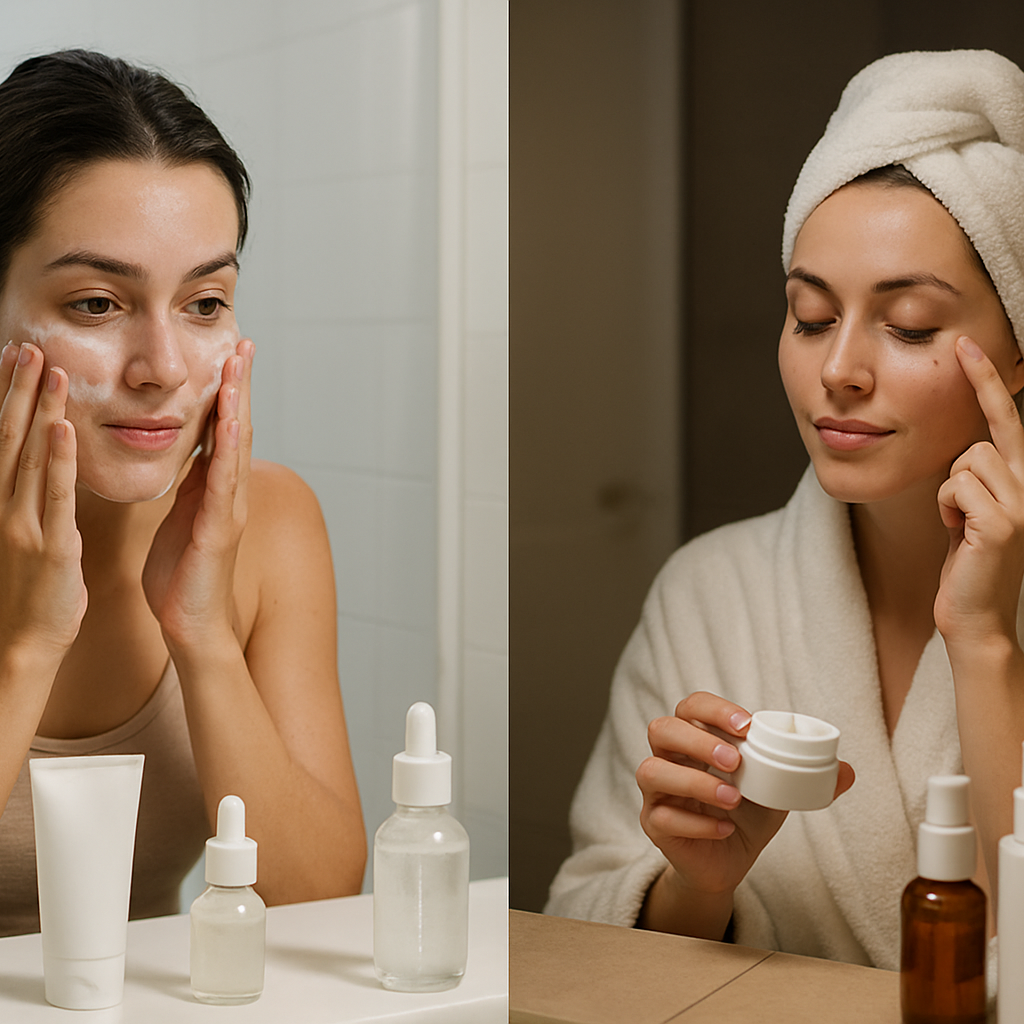
Proper skin preparation significantly impacts fragrance performance and layering success. Begin with thoroughly cleansed skin, free from competing scents or residual products that might interfere with your chosen fragrances.
Moisturization plays a crucial role in scent longevity. Apply an unscented moisturizer or matching body lotion to pulse points before fragrance application. Well-hydrated skin retains fragrance molecules more effectively, extending wear time and enhancing projection.
Strategic Pulse Point Selection
Pulse points generate natural warmth that activates fragrance compounds, creating optimal diffusion zones. Traditional application sites include:
- Wrists and inner forearms
- Neck and décolletage area
- Behind ears and along the hairline
- Inner elbows and behind knees
- Ankles and feet for subtle base layering
Different pulse points offer varying intensities and projection patterns. Neck application provides excellent sillage for close encounters, while wrist application allows controlled fragrance release through natural movement.
Mastering Professional Layering Methodologies
The sequential application method represents the most foolproof approach for beginners. Start with your heaviest, most substantive fragrance as the foundation layer. Allow complete absorption before applying subsequent layers, building complexity gradually.
Professional perfumers recommend waiting 10-15 minutes between applications to allow each layer to settle and reveal its true character before adding the next component.
Advanced Blending Techniques
Seasoned fragrance enthusiasts employ sophisticated layering strategies that create entirely new olfactory experiences. The complementary layering method pairs fragrances sharing similar note families, amplifying specific accords while maintaining harmony.
Contrasting layering involves combining opposing fragrance families to create tension and intrigue. Fresh aquatics balanced with rich orientals produce captivating juxtapositions that evolve dramatically throughout wear.
The bridging technique utilizes a neutral fragrance as a connecting element between two disparate scents. Light musks or clean woody fragrances serve as excellent bridges, unifying complex layering combinations.
Seasonal Adaptation and Environmental Considerations
Climate significantly influences fragrance performance and appropriate layering choices. Warmer temperatures amplify projection and accelerate evaporation, requiring lighter application and breathable compositions.
Summer layering benefits from citrus-forward combinations with aquatic or green elements. Layer bergamot-based colognes with light florals or marine accords for refreshing sophistication that won't overwhelm in heat.
Winter Intensity and Depth
Cold weather demands richer, more substantive fragrance architectures. Layer warming spices with deep woods and resinous elements. Vanilla-based compositions blend beautifully with amber and sandalwood, creating enveloping warmth against winter's chill.
| Season | Recommended Base Notes | Ideal Top Note Combinations |
|---|---|---|
| Spring | Light musks, soft woods | Citrus, green leaves, light florals |
| Summer | Clean musks, aquatic elements | Marine notes, citrus, fresh herbs |
| Autumn | Warm spices, light woods | Fruits, spices, transitional florals |
| Winter | Rich woods, amber, vanilla | Warming spices, deep fruits, resins |
Common Pitfalls and Expert Solutions
Over-application represents the most frequent layering mistake. Each additional layer should enhance rather than overwhelm the overall composition. Start conservatively, building intensity gradually through repeated applications rather than heavy initial layering.
Incompatible fragrance families create olfactory discord rather than harmony. Avoid pairing heavy oriental compositions with delicate soliflores, as the intensity imbalance results in muddy, confused scent profiles.
Troubleshooting Fragrance Interactions
When layering experiments produce unsatisfactory results, identify the problematic elements through systematic elimination. Remove one fragrance component and evaluate the remaining combination's performance.
Timing adjustments often resolve apparent incompatibilities. Allow longer intervals between applications, or reverse the layering order to achieve better integration.
Frequently Asked Questions About Fragrance Layering
How many fragrances can be safely layered simultaneously? Most experts recommend limiting combinations to 2-3 fragrances to maintain clarity and prevent olfactory confusion. Advanced practitioners may successfully blend more components, but this requires extensive experience and careful selection.
Should fragrances be layered on the same pulse points or distributed across different areas? Both approaches offer unique benefits. Same-point layering creates intense, complex scent clouds, while distributed application provides subtle variation across your body's scent zones.
Can oil-based and alcohol-based fragrances be layered together? Absolutely. Oil-based fragrances provide longevity and depth, while alcohol-based compositions offer projection and brightness. Layer oils first as foundation elements, then add alcohol-based fragrances for enhanced sillage.
The artistry of fragrance layering transforms daily scent rituals into creative expressions of personal style. Through understanding fundamental principles, mastering application techniques, and experimenting with seasonal adaptations, you'll develop signature combinations that reflect your unique aesthetic sensibilities. Remember that successful layering requires patience, practice, and willingness to explore unexpected olfactory territories.
Related post
30
Mar
