
RECENT POSTS


Best Anti-Aging Moisturizers for Mature Skin
Understanding the Unique Needs of Mature Skin
As we gracefully transition through life's seasons, our skin undergoes remarkable transformations that deserve thoughtful attention and specialized care. Mature skin presents distinctive characteristics that require sophisticated formulations to maintain its luminosity and resilience. The epidermis gradually becomes more delicate, while natural sebum production diminishes, creating a canvas that thirsts for deeper nourishment and targeted rejuvenation.
The hallmarks of mature skin extend beyond simple dryness. Diminished collagen synthesis leads to reduced elasticity, while years of environmental exposure manifest as hyperpigmentation and textural irregularities. These intrinsic changes necessitate moisturizers that transcend basic hydration, incorporating advanced peptides, ceramides, and biomimetic compounds that work synergistically to restore the skin's protective barrier.
Physiological Changes in Aging Skin
The cellular turnover process naturally decelerates with time, resulting in a gradual accumulation of keratinized cells on the surface. This phenomenon creates a barrier that can impede the penetration of beneficial ingredients. Additionally, the dermal-epidermal junction becomes less robust, contributing to the formation of fine lines and compromised barrier function that requires specialized intervention.
Essential Ingredients to Look For in Anti-Aging Moisturizers
Navigating the vast landscape of anti-aging formulations requires understanding which active compounds deliver genuine efficacy for mature skin concerns. The most transformative moisturizers incorporate scientifically-validated ingredients that address multiple aging pathways simultaneously.
Retinoids remain the gold standard for cellular regeneration, stimulating collagen production while accelerating desquamation to reveal fresher, more radiant skin beneath. However, encapsulated retinol formulations offer enhanced stability and reduced irritation potential, making them particularly suitable for sensitive mature skin types.
"The most effective anti-aging moisturizers combine humectants, emollients, and occlusives with active ingredients that target specific signs of aging, creating a comprehensive approach to mature skin care."
Ceramides and Lipid Restoration
The lipid bilayer becomes increasingly compromised as we age, necessitating formulations rich in ceramides, cholesterol, and free fatty acids. These components work harmoniously to reconstruct the skin's natural moisture barrier, preventing transepidermal water loss while creating an optimal environment for cellular repair processes.
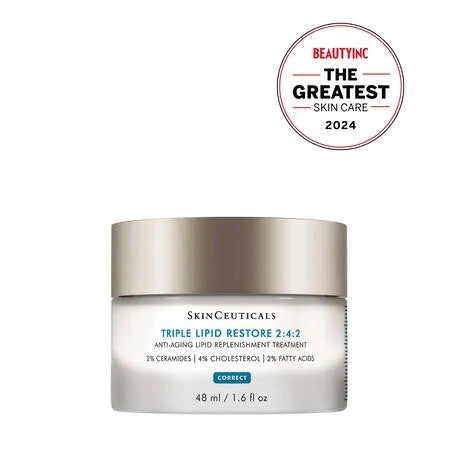
For those seeking professional-grade restoration, the CeraVe Triple Lipid Restore 2:4:2 Moisturizer represents a breakthrough in barrier repair technology. This sophisticated formulation contains an optimal ratio of ceramides, cholesterol, and free fatty acids that mirrors the skin's natural lipid composition. The unique 2:4:2 ratio has been clinically proven to restore the protective barrier more effectively than traditional moisturizers, making it an exceptional choice for mature skin that has lost its natural resilience over time. The inclusion of MVE (MultiVesicular Emulsion) technology ensures sustained release of these vital lipids throughout the day, providing continuous nourishment and protection.
Peptides and Growth Factors
Bioactive peptides serve as cellular messengers, signaling fibroblasts to increase collagen and elastin production. Palmitoyl pentapeptide-4, copper peptides, and signal peptides each target different aspects of the aging process, from stimulating cellular renewal to reducing inflammation and promoting wound healing.
Top Formulation Features for Maximum Efficacy
The architecture of an exceptional anti-aging moisturizer extends beyond individual ingredients to encompass delivery systems, pH optimization, and molecular weight considerations. Advanced encapsulation technologies protect sensitive actives while ensuring deeper penetration into the stratum corneum.
Liposomal delivery systems create microscopic vesicles that ferry active ingredients through the skin's natural barriers. These sophisticated vehicles enhance bioavailability while minimizing surface irritation, making potent anti-aging compounds more tolerable for daily use.
Texture and Absorption Characteristics
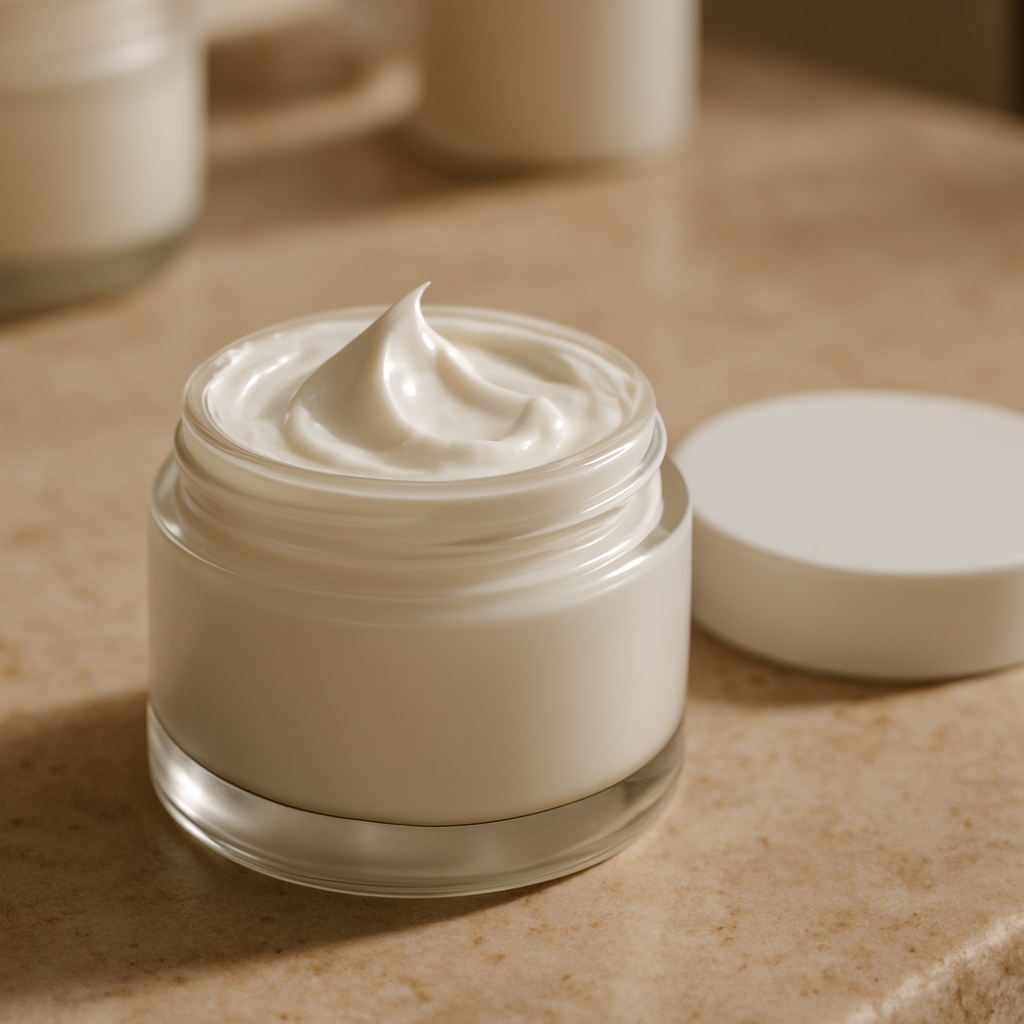
Mature skin benefits from richer, more emollient textures that provide immediate comfort while delivering long-lasting hydration. Look for formulations with a balanced viscosity that absorbs completely without leaving residual film or interfering with subsequent skincare steps or makeup application.
| Skin Concern | Key Ingredients | Expected Timeline |
|---|---|---|
| Fine Lines | Retinoids, Peptides | 4-8 weeks |
| Dryness | Ceramides, Hyaluronic Acid | 1-2 weeks |
| Firmness | Peptides, Antioxidants | 6-12 weeks |
| Radiance | AHA, Vitamin C | 2-4 weeks |
Application Techniques for Optimal Results
The methodology of moisturizer application significantly impacts product performance and skin transformation outcomes. Proper technique maximizes ingredient penetration while promoting lymphatic drainage and improved circulation.
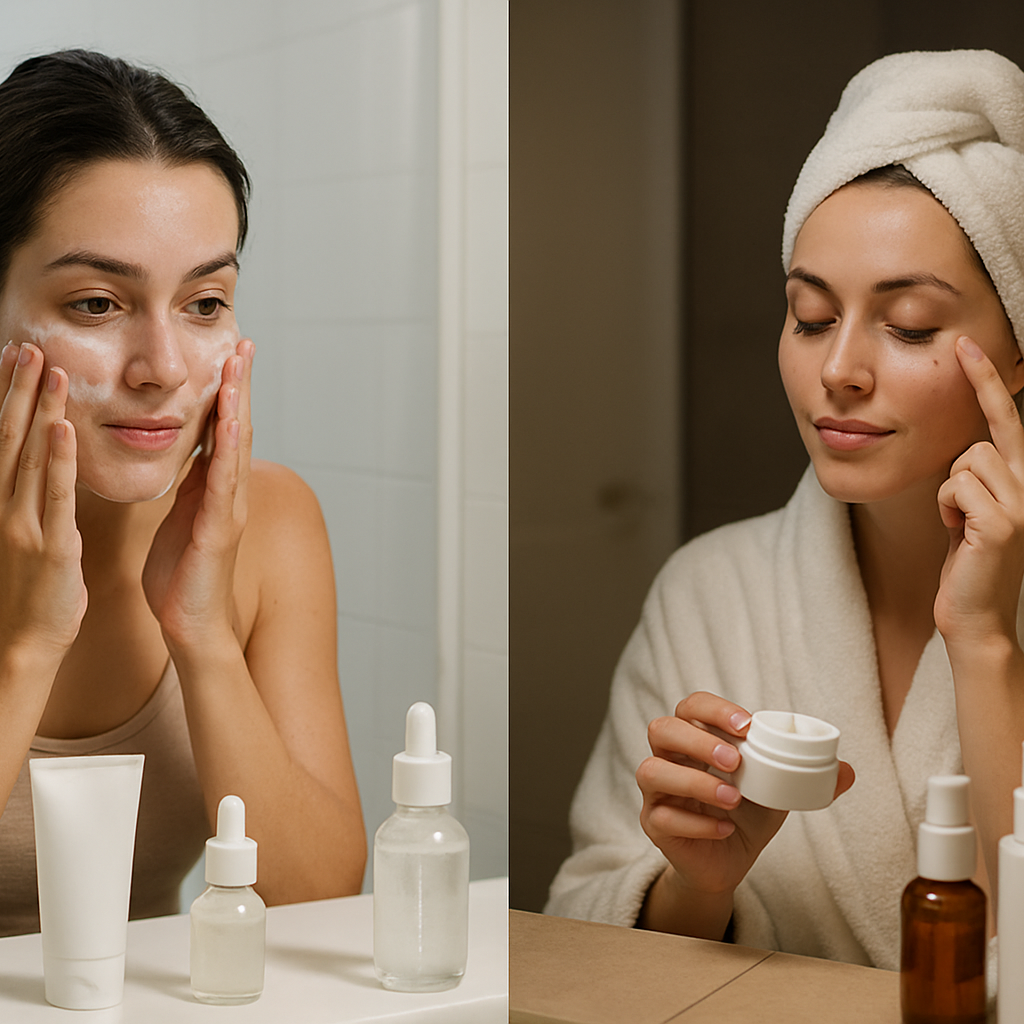
Begin application on slightly damp skin to enhance humectant effectiveness. Use upward, outward motions that follow the natural contours of facial musculature, paying particular attention to areas prone to dehydration such as the orbital region and nasolabial folds.
Layering and Product Synergy
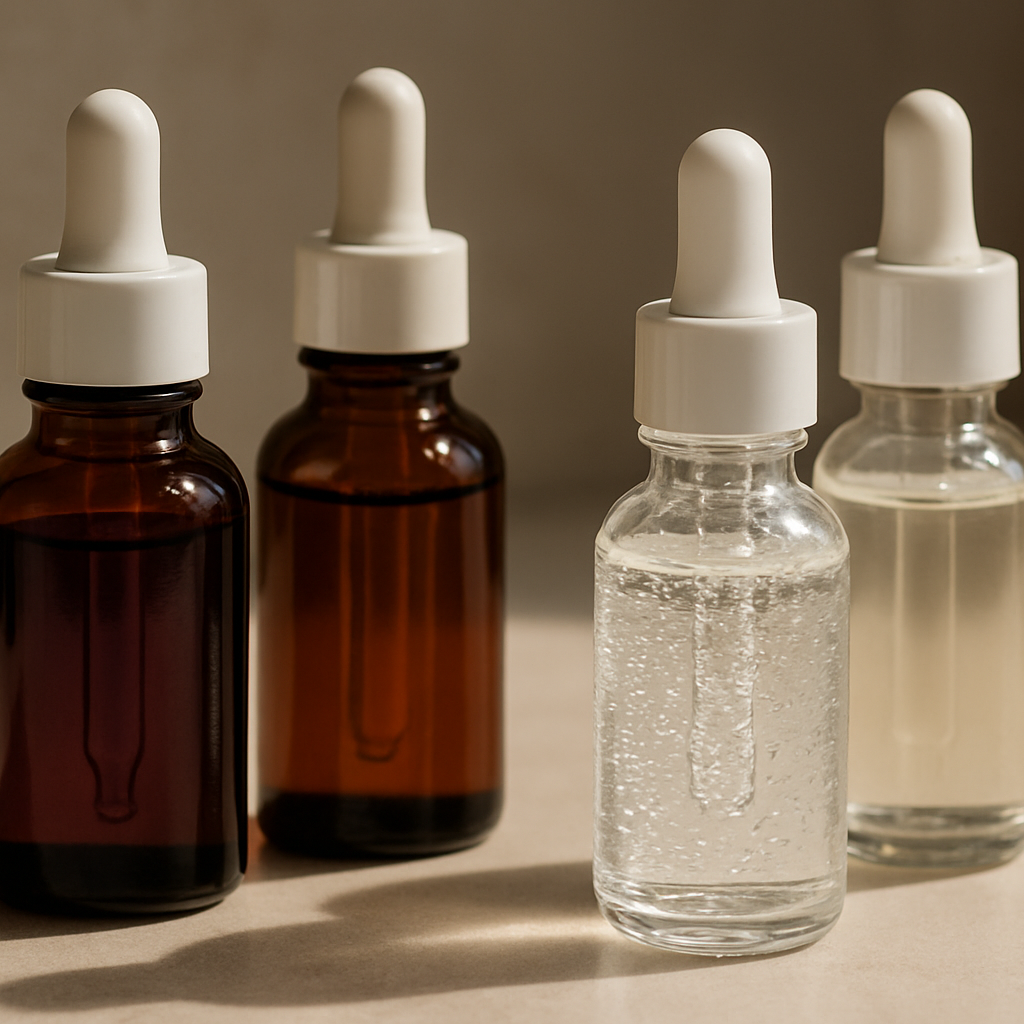
Strategic layering amplifies the benefits of your anti-aging moisturizer. Apply water-based serums first, followed by oil-based treatments, and conclude with your moisturizer to seal in all previous layers. This sequential approach creates a synergistic effect that enhances overall efficacy.
Common Mistakes to Avoid
Even premium anti-aging moisturizers can underperform when applied incorrectly or paired with incompatible products. Understanding these potential pitfalls ensures optimal results from your skincare investment.
Over-application represents a frequent error that can lead to product buildup and reduced efficacy. A pearl-sized amount typically suffices for the entire face and neck area. Additionally, mixing active ingredients without understanding their interactions can neutralize beneficial effects or cause unwanted irritation.
- Using insufficient amounts of sunscreen over your moisturizer
- Applying products to completely dry skin
- Neglecting the neck and décolletage areas
- Introducing multiple new active ingredients simultaneously
- Inconsistent application timing and frequency
Frequently Asked Questions About Anti-Aging Moisturizers
How long should I wait between applying different skincare products?
Allow 30-60 seconds between each product application to ensure proper absorption without diluting subsequent layers. This brief interval permits the skin to assimilate each formulation completely.
Can I use an anti-aging moisturizer if I have sensitive skin?
Absolutely. Look for fragrance-free formulations with minimal preservatives and perform patch testing before full-face application. Many anti-aging moisturizers now incorporate soothing agents like niacinamide and allantoin specifically for sensitive skin types.
Should I use different moisturizers for day and night?
While not essential, utilizing distinct formulations can optimize results. Daytime moisturizers often include antioxidants and SPF, while nighttime versions typically contain higher concentrations of regenerative ingredients that work during the skin's natural repair cycle.
The journey toward healthier, more youthful-looking skin requires patience, consistency, and the right formulations tailored to mature skin's unique requirements. By understanding these fundamental principles and selecting moisturizers with proven ingredients, you're investing in long-term skin health that will reward you with improved texture, tone, and overall radiance.
Related post
30
Mar
