
RECENT POSTS


Vitamin C Serum Benefits for Glowing Winter Skin
Table of Contents
- Understanding Vitamin C's Dermatological Prowess
- The Science Behind Winter Skin Transformation
- Collagen Synthesis and Structural Integrity
- Antioxidant Defense Mechanisms
- Professional-Grade Vitamin C Solutions
- Optimal Application Techniques for Maximum Benefits
- Morning Ritual Integration
- Concentration Considerations
- Addressing Common Winter Skin Concerns
- Hyperpigmentation and Melasma Management
- Barrier Repair and Hydration Enhancement
- Maximizing Long-term Results
Understanding Vitamin C's Dermatological Prowess
Winter's harsh embrace transforms our skin's landscape, creating a battleground where environmental stressors wage war against our natural luminosity. Vitamin C serum benefits extend far beyond simple moisturization, functioning as a potent antioxidant fortress that shields delicate facial tissue from oxidative damage. This powerhouse nutrient, scientifically known as L-ascorbic acid, penetrates the dermis to stimulate collagen biosynthesis while neutralizing free radicals that accelerate cellular senescence.
The molecular architecture of vitamin C enables it to traverse multiple skin layers, delivering concentrated nourishment where traditional moisturizers fail to reach. During winter months, when humidity plummets and indoor heating systems create additional desiccation, the epidermis becomes particularly vulnerable to barrier dysfunction. Topical vitamin C application creates a protective matrix that fortifies this crucial barrier while promoting cellular regeneration.
The Science Behind Winter Skin Transformation
Collagen Synthesis and Structural Integrity
Vitamin C serves as an essential cofactor in collagen production, facilitating the hydroxylation of proline and lysine residues necessary for stable collagen formation. This biochemical process becomes critically important during winter when decreased sun exposure and environmental stressors compromise natural collagen synthesis. Regular application of vitamin C serum benefits include enhanced skin elasticity, reduced fine line visibility, and improved overall skin architecture.
The ascorbic acid molecule stimulates fibroblast activity within the dermal matrix. These specialized cells manufacture new collagen fibers while breaking down damaged proteins through controlled enzymatic processes. This continuous renewal cycle creates the foundation for that coveted winter glow that transcends seasonal limitations.
Antioxidant Defense Mechanisms
Free radical scavenging represents one of vitamin C's most celebrated dermatological benefits. Winter environments generate increased oxidative stress through multiple pathways: UV reflection from snow, indoor pollution from heating systems, and reduced natural antioxidant production due to limited fresh fruit consumption. Vitamin C serum benefits include neutralizing these harmful molecules before they can inflict cellular damage.
"Topical vitamin C application provides up to 20 times greater antioxidant protection compared to oral supplementation, delivering targeted defense precisely where skin needs it most."
Professional-Grade Vitamin C Solutions
While numerous vitamin C formulations populate the skincare market, discerning consumers recognize the importance of pharmaceutical-grade concentrations and scientifically validated ingredient combinations. SkinCeuticals C E Ferulic represents the gold standard in antioxidant protection, combining 15% pure vitamin C with vitamin E and ferulic acid for enhanced stability and efficacy.
This triple-antioxidant formulation addresses winter skin concerns through multiple mechanisms. The vitamin C component brightens hyperpigmentation while stimulating collagen production. Vitamin E provides lipid-soluble antioxidant protection, particularly beneficial for dry winter skin. Ferulic acid acts as a stabilizing agent, extending the formula's potency while offering additional UV protection.
Clinical studies demonstrate that this specific combination delivers eight times greater antioxidant protection compared to individual ingredients used separately. For winter skincare routines, this enhanced protection becomes invaluable in maintaining skin radiance despite environmental challenges.
Optimal Application Techniques for Maximum Benefits
Morning Ritual Integration
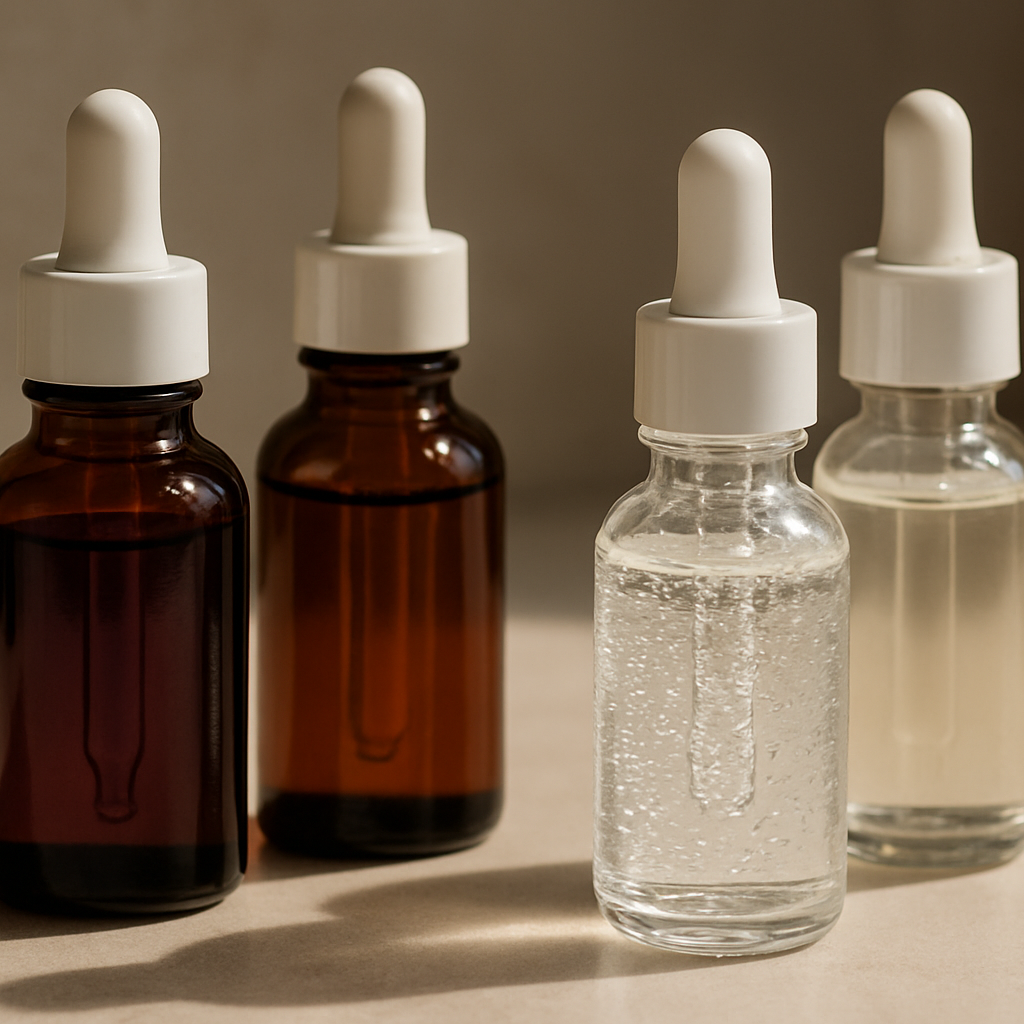
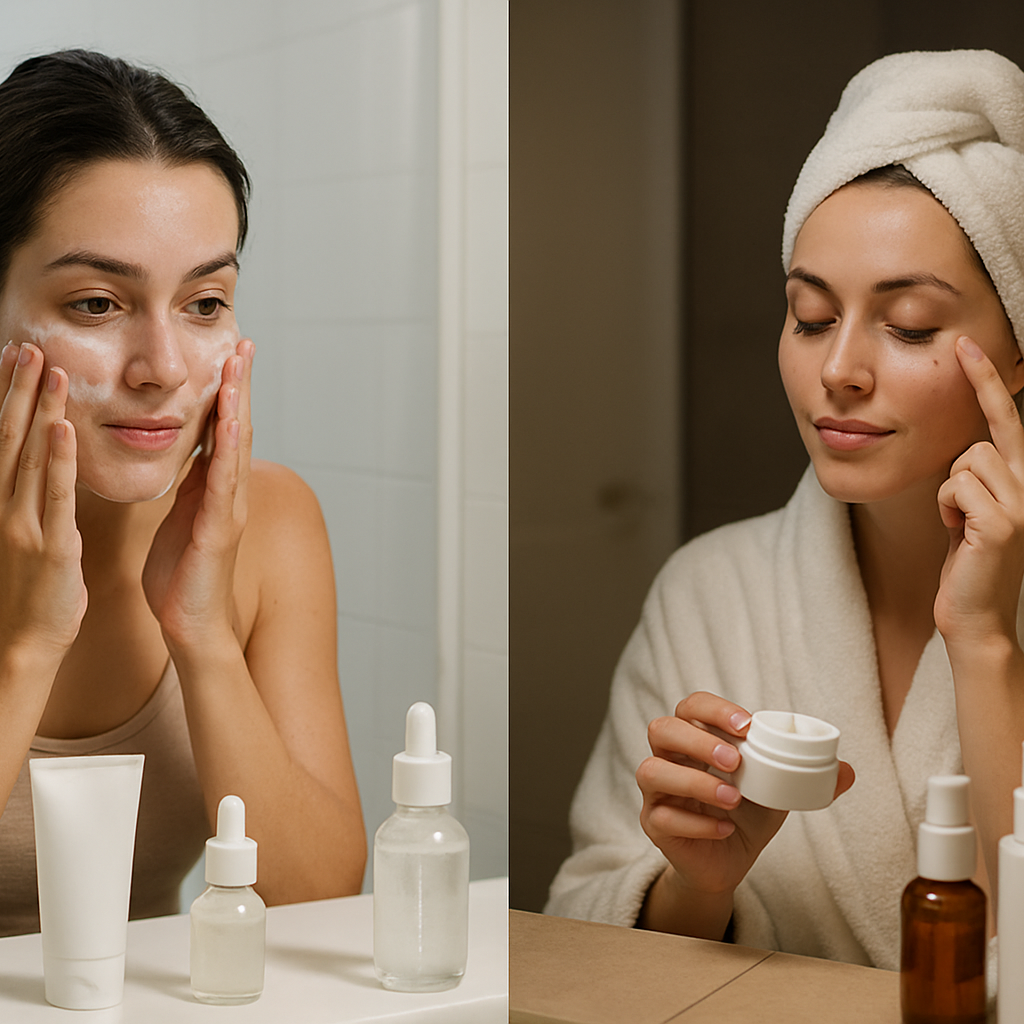
Incorporating vitamin C serum into morning skincare routines maximizes its protective benefits throughout the day. Apply the serum to clean, dry skin before moisturizer and sunscreen application. The molecular structure of vitamin C allows for optimal absorption when skin pH levels are slightly acidic, typically achieved immediately after gentle cleansing.
Winter application requires particular attention to layering sequences. Allow the vitamin C serum to fully absorb before applying heavier moisturizers or occlusive ingredients. This prevents dilution and ensures maximum penetration into the skin matrix.
Concentration Considerations
Vitamin C serum benefits vary significantly based on concentration levels and individual skin tolerance. Beginning users should start with lower concentrations (10-15%) to build tolerance gradually. Winter skin, often more sensitive due to barrier compromise, may require gentler introduction protocols.
- Sensitive skin types: Begin with 10% L-ascorbic acid formulations
- Normal skin: 15-20% concentrations provide optimal benefits
- Experienced users: Higher concentrations may be tolerated with proper preparation
- Compromised barriers: Consider magnesium ascorbyl phosphate alternatives
Addressing Common Winter Skin Concerns
Hyperpigmentation and Melasma Management
Winter's unique lighting conditions can exacerbate existing pigmentation irregularities while creating new areas of discoloration. Vitamin C serum benefits include potent melanin inhibition through tyrosinase enzyme suppression. This biochemical intervention prevents excess pigment formation while gradually lightening existing dark spots.
The brightening effects become particularly noticeable during winter months when skin naturally appears more sallow due to reduced circulation and vitamin D synthesis. Regular vitamin C application counteracts these seasonal effects, maintaining luminosity despite environmental challenges.
Barrier Repair and Hydration Enhancement
Winter weather compromises the skin's natural barrier function through multiple mechanisms: low humidity extraction of moisture, temperature fluctuations causing expansion and contraction stress, and increased indoor heating creating additional dehydration. Vitamin C serum benefits extend to barrier repair through enhanced ceramide production and improved lipid matrix organization.
| Winter Challenge | Vitamin C Response | Visible Improvement Timeline |
|---|---|---|
| Dullness | Enhanced cellular turnover | 2-4 weeks |
| Fine lines | Collagen stimulation | 6-12 weeks |
| Uneven tone | Melanin inhibition | 4-8 weeks |
| Dehydration | Barrier strengthening | 1-3 weeks |
Maximizing Long-term Results
Consistency in vitamin C application yields cumulative benefits that extend well beyond winter months. The serum's regenerative properties create lasting improvements in skin texture, tone, and resilience. Regular users often report enhanced glow that persists even during skincare routine modifications.
Professional aestheticians recommend maintaining vitamin C protocols year-round, adjusting concentrations and application frequency based on seasonal requirements. Winter demands may necessitate more frequent application or higher concentrations to counteract environmental stressors effectively.
Storage considerations become particularly important during winter months when temperature fluctuations can compromise serum stability. Vitamin C formulations require cool, dark storage environments to maintain potency. Some users benefit from refrigerator storage, which provides the additional benefit of cooling application that helps reduce winter-related skin inflammation.
The investment in high-quality vitamin C serum pays dividends in sustained skin health and appearance. Users who commit to consistent application protocols report not only immediate improvements in skin radiance but also long-term protection against environmental damage and premature aging signs.
Related post
30
Mar
