
RECENT POSTS
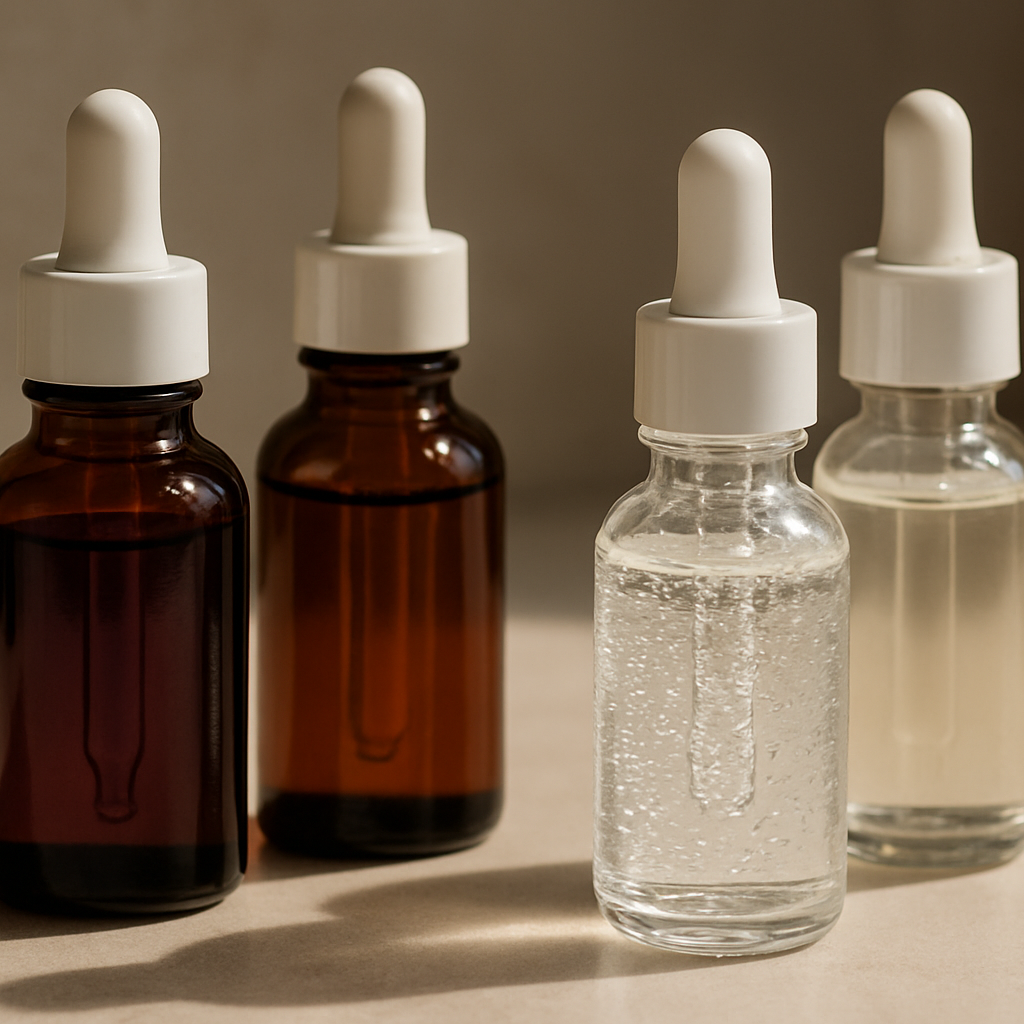
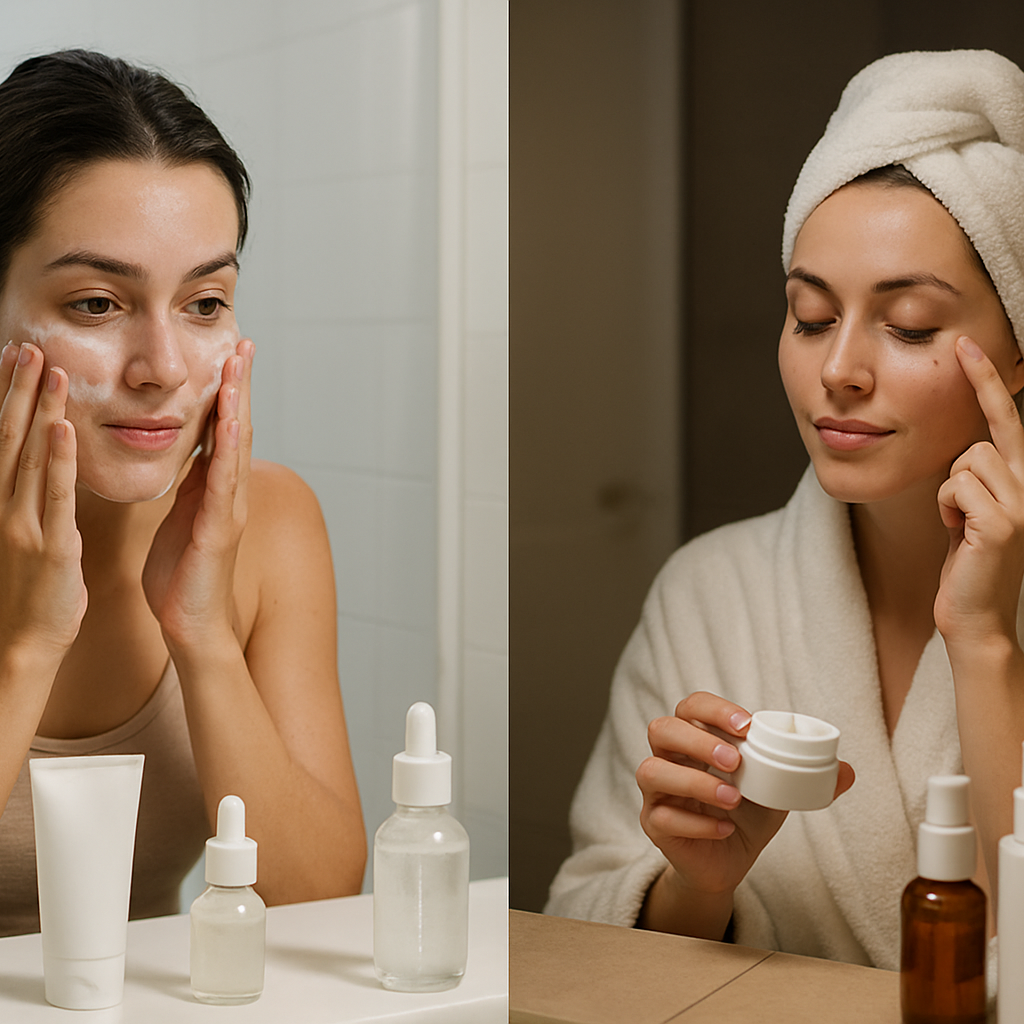
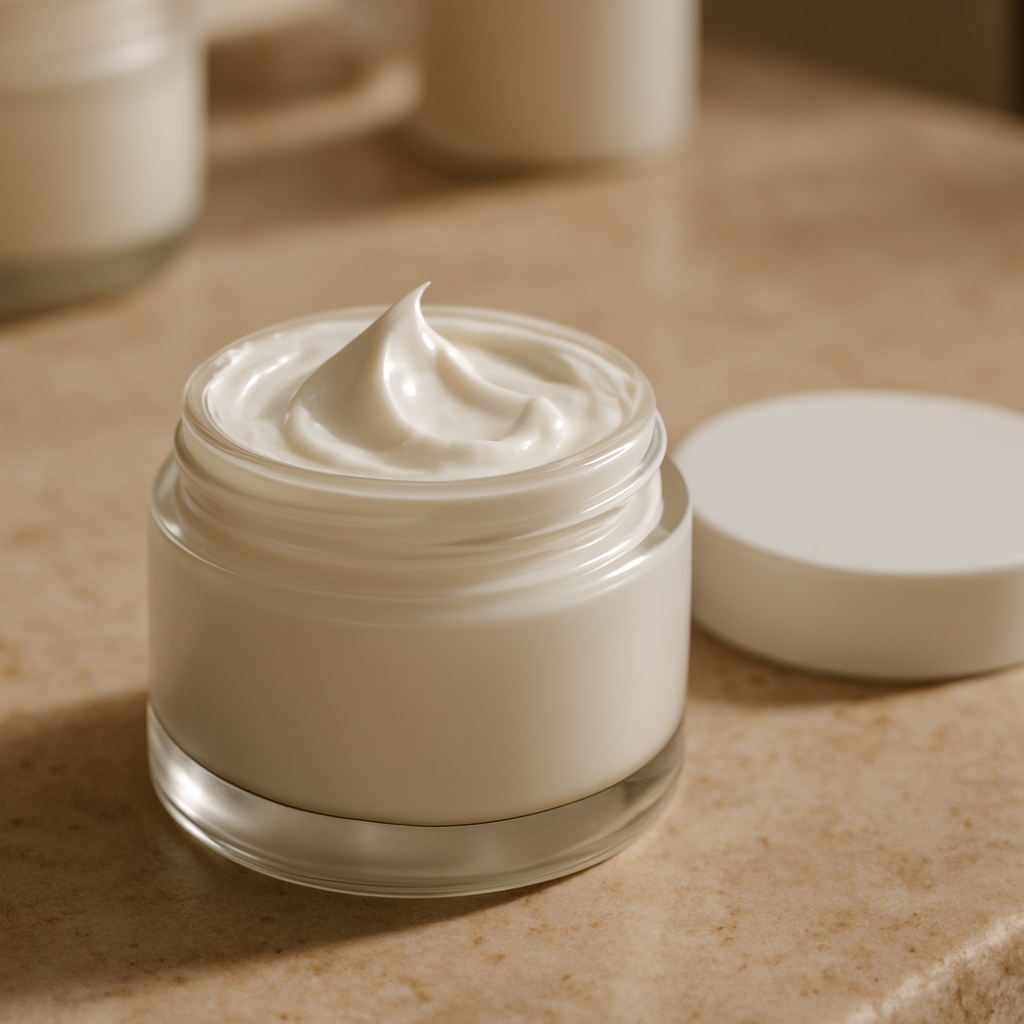


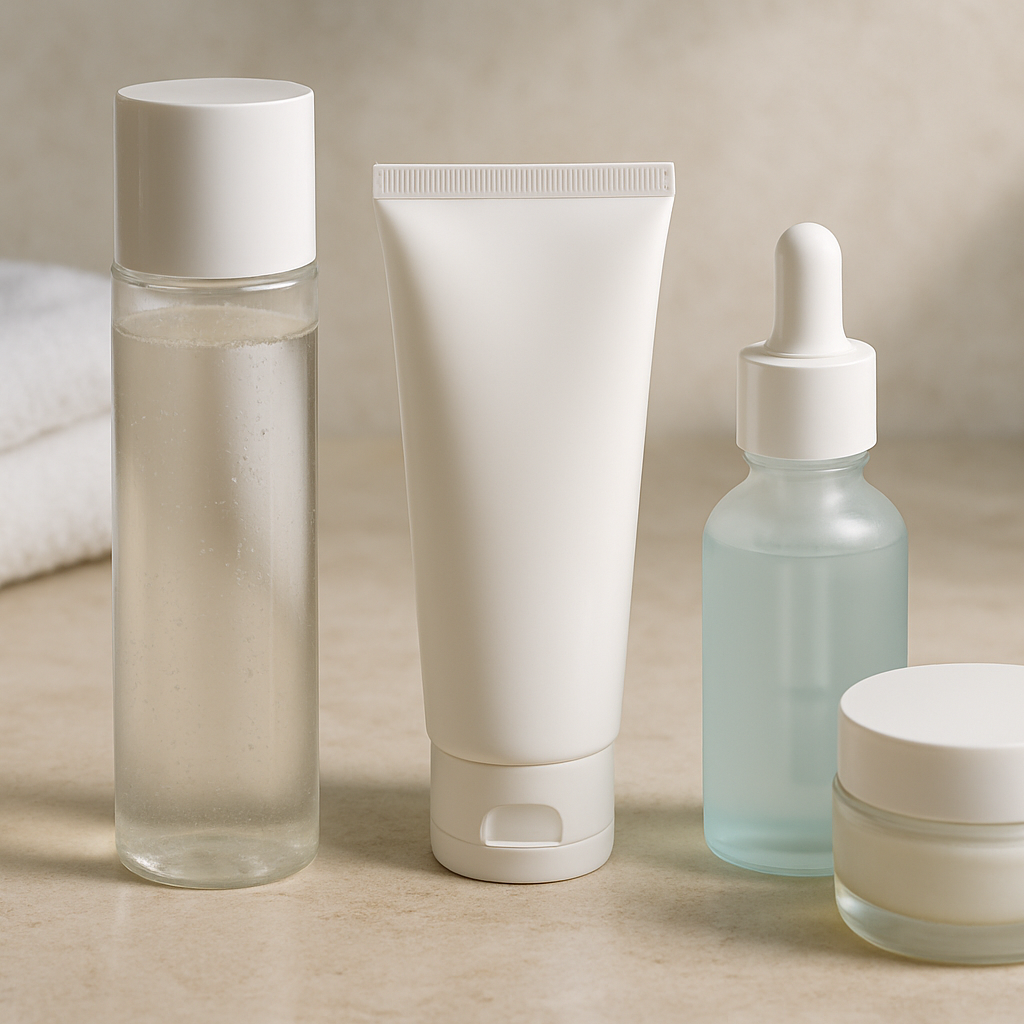
Hydrating Skincare Products: Building Your Perfect Routine
Understanding Hydration vs. Moisturization in Skincare
The distinction between hydration and moisturization represents one of the most misunderstood concepts in dermatological care. While these terms are often used interchangeably, they address fundamentally different skin concerns through distinct mechanisms.
Hydration refers to the infusion of water molecules into skin cells, particularly within the stratum corneum. This process involves humectants—molecules that attract and bind water from the environment and deeper skin layers. Moisturization, conversely, focuses on occlusivity and emollient properties that prevent transepidermal water loss while smoothing the skin's surface texture.
The Science Behind Skin Hydration
Your skin's natural moisture barrier, composed of lipids, ceramides, and natural moisturizing factors (NMFs), maintains optimal hydration levels through sophisticated biochemical processes. When this barrier becomes compromised due to environmental stressors, aging, or inappropriate skincare practices, dehydration manifests as tightness, flakiness, and diminished luminosity.
Hydrating skincare products contain specific active ingredients that replenish water content at the cellular level. These formulations typically feature hyaluronic acid, glycerin, sodium PCA, and botanical extracts rich in polysaccharides that demonstrate exceptional water-binding capabilities.
Essential Hydrating Ingredients to Look For
Navigating the vast array of hydrating components requires understanding their molecular structures and mechanisms of action. Each ingredient category serves unique purposes within comprehensive hydration protocols.
Humectants: The Water Magnets
Humectants represent the cornerstone of effective hydration. Hyaluronic acid, perhaps the most celebrated humectant, can hold up to 1,000 times its weight in water. This glycosaminoglycan exists naturally in our skin but depletes with age, making topical supplementation essential for maintaining plumpness and suppleness.
Glycerin, another powerhouse humectant, attracts moisture from both the environment and deeper dermal layers. Its small molecular size ensures rapid penetration, while its gentle nature makes it suitable for sensitive skin types. Sodium hyaluronate, the salt form of hyaluronic acid, offers superior penetration due to its smaller molecular weight compared to standard hyaluronic acid.
Advanced Hydrating Complexes
Contemporary hydrating skincare products often incorporate sophisticated ingredient combinations that work synergistically. Trehalose, a disaccharide found in resurrection plants, provides exceptional protective hydration during environmental stress. Panthenol (pro-vitamin B5) not only hydrates but also soothes inflammation and supports barrier repair.
"The most effective hydrating formulations combine multiple molecular weights of active ingredients, ensuring both immediate surface hydration and long-term cellular water retention."
Building Your Hydrating Skincare Routine
Constructing an efficacious hydrating regimen requires strategic layering and timing considerations. The sequence of product application directly impacts ingredient absorption and overall effectiveness.
Morning Hydration Protocol
Your morning routine should focus on protection while providing sustained hydration throughout the day. Begin with a gentle, pH-balanced cleanser that preserves the skin's natural moisture barrier. Follow with a hydrating toner or essence containing low-molecular-weight hyaluronic acid for immediate water infusion.
Layer a vitamin C serum before your hydrating products to maximize antioxidant benefits. The acidic pH of vitamin C can enhance the penetration of subsequent hydrating ingredients. Apply your primary hydrating serum while skin remains slightly damp to optimize humectant function.
Evening Restoration Routine
Nighttime presents optimal conditions for intensive hydration and repair. Double cleansing removes accumulated pollutants and makeup while preparing skin for maximum product absorption. Incorporate active ingredients like retinoids or AHA/BHA acids before hydrating products to enhance cellular turnover while preventing dehydration.
Evening hydrating products can be richer in texture and contain occlusives like squalane or ceramides that work overnight to prevent water loss. Consider using a humidifier in your bedroom to maintain optimal environmental humidity levels.
Choosing Products for Different Skin Types
Skin type considerations significantly influence hydrating product selection and formulation preferences. Understanding your skin's unique characteristics ensures optimal results from your hydrating skincare products.
Oily and Combination Skin Hydration
Oily skin types often experience dehydration despite excess sebum production. This paradoxical condition requires lightweight, non-comedogenic hydrating formulations that won't exacerbate congestion. Gel-based serums containing hyaluronic acid, niacinamide, and zinc PCA provide essential hydration while regulating sebaceous activity.
Avoid heavy creams that may clog pores. Instead, opt for water-based moisturizers with humectants and lightweight emollients like jojoba oil or caprylic/capric triglyceride.
Dry and Mature Skin Considerations
Mature and inherently dry skin types benefit from multi-layered hydration approaches incorporating both humectants and occlusives. These formulations should contain ceramides, cholesterol, and fatty acids that mimic and replenish the skin's natural barrier components.
Peptide-enhanced hydrating products offer additional benefits for mature skin by supporting collagen synthesis while providing intense moisture retention. Look for formulations containing palmitoyl pentapeptide-4 or acetyl hexapeptide-8 combined with traditional hydrating ingredients.
Seasonal Adjustments and Environmental Factors
Environmental conditions significantly impact skin hydration levels, necessitating seasonal routine modifications. Temperature fluctuations, humidity changes, and UV exposure all influence your skin's hydration needs.
| Season | Primary Concerns | Recommended Adjustments |
|---|---|---|
| Winter | Low humidity, heating systems | Increase occlusive ingredients, use overnight masks |
| Summer | UV exposure, air conditioning | Lightweight hydration, increased antioxidants |
| Spring/Fall | Temperature transitions | Gradual formula adjustments, consistent barrier support |
Common Hydration Mistakes to Avoid
Several prevalent misconceptions can undermine your hydrating skincare efforts. Recognizing these pitfalls helps optimize your routine's effectiveness while preventing counterproductive practices.
- Over-exfoliating, which compromises the moisture barrier
- Applying hydrating products to completely dry skin, reducing humectant efficacy
- Using too many active ingredients simultaneously, causing irritation and dehydration
- Neglecting neck and décolletage areas in hydration routines
- Inconsistent product application, preventing optimal results
Ingredient Interactions and Timing
Understanding ingredient compatibility prevents formulation conflicts that can reduce efficacy. Certain actives, particularly acids and retinoids, can initially cause dryness, requiring careful integration with hydrating products.
Wait appropriate intervals between product applications to ensure proper absorption. This patience allows each layer to penetrate effectively without diluting subsequent products.
Professional Treatments and At-Home Care Integration
Professional treatments can significantly enhance your at-home hydrating routine's effectiveness. Hydrafacials, oxygen facials, and professional-grade chemical peels create optimal conditions for enhanced product penetration while addressing specific hydration concerns.
Discuss your home routine with skincare professionals to ensure compatibility between professional treatments and your daily hydrating skincare products. They can recommend specific timing adjustments and complementary ingredients that maximize results while minimizing potential irritation.
At The Blush Muse, we understand that achieving optimal skin hydration requires both premium products and expert guidance. Your journey toward perfectly hydrated, luminous skin deserves the finest formulations and personalized attention that luxury skincare provides.
Related post
30
Mar
