
RECENT POSTS


Advanced Night Repair: The Science of Overnight Skin Recovery
Understanding the Circadian Rhythm of Skin
Your skin operates on a sophisticated biological clock, orchestrating complex repair mechanisms during nocturnal hours. This circadian chronobiology governs when cellular regeneration peaks, making nighttime the optimal window for intensive skin recovery. During the photophobic period, your skin experiences heightened permeability and increased blood flow, creating an ideal environment for active ingredients to penetrate deeper dermal layers.
The skin's nocturnal metabolism accelerates dramatically after sunset. Cell division rates increase threefold between 11 PM and midnight, while cortisol levels plummet, reducing inflammatory responses that typically impede daytime healing processes. This physiological shift transforms your complexion into a receptive canvas for therapeutic interventions.
Melatonin's Role in Dermal Protection
Melatonin production extends beyond sleep regulation, functioning as a potent antioxidant within cutaneous tissue. This neurohormone neutralizes hydroxyl radicals and prevents lipid peroxidation, safeguarding cellular membranes from oxidative degradation. Quality overnight skin repair serums often incorporate melatonin precursors to amplify these protective mechanisms.
Temperature Regulation and Repair
Nocturnal vasodilation increases skin temperature by approximately two degrees Celsius, enhancing enzymatic activity crucial for collagen synthesis. This thermal elevation optimizes the efficacy of topical treatments, allowing molecular penetration through the stratum corneum's lipid matrix with unprecedented efficiency.
The Science Behind Overnight Skin Repair
Overnight skin repair encompasses multiple biochemical processes working synergistically to restore dermal integrity. The absence of ultraviolet radiation eliminates photooxidative stress, permitting uninterrupted DNA repair mechanisms to function optimally. Simultaneously, growth hormone secretion peaks during deep sleep phases, stimulating fibroblast proliferation and extracellular matrix production.
Transepidermal water loss decreases significantly during nighttime hours, creating a hydrated microenvironment that facilitates enzymatic reactions essential for skin renewal. This hydration gradient enables the diffusion of large molecular weight compounds that would otherwise remain superficial during daytime application.
"The skin's natural repair processes are up to three times more active during sleep, making overnight treatments exponentially more effective than their daytime counterparts."
Cellular Autophagy and Renewal
Autophagy intensifies during sleep, eliminating damaged organelles and misfolded proteins that accumulate from daily environmental exposure. This cellular housekeeping process requires specific cofactors and amino acids that sophisticated overnight formulations can provide, accelerating the removal of senescent cells and promoting healthy tissue regeneration.
Advanced Delivery Systems
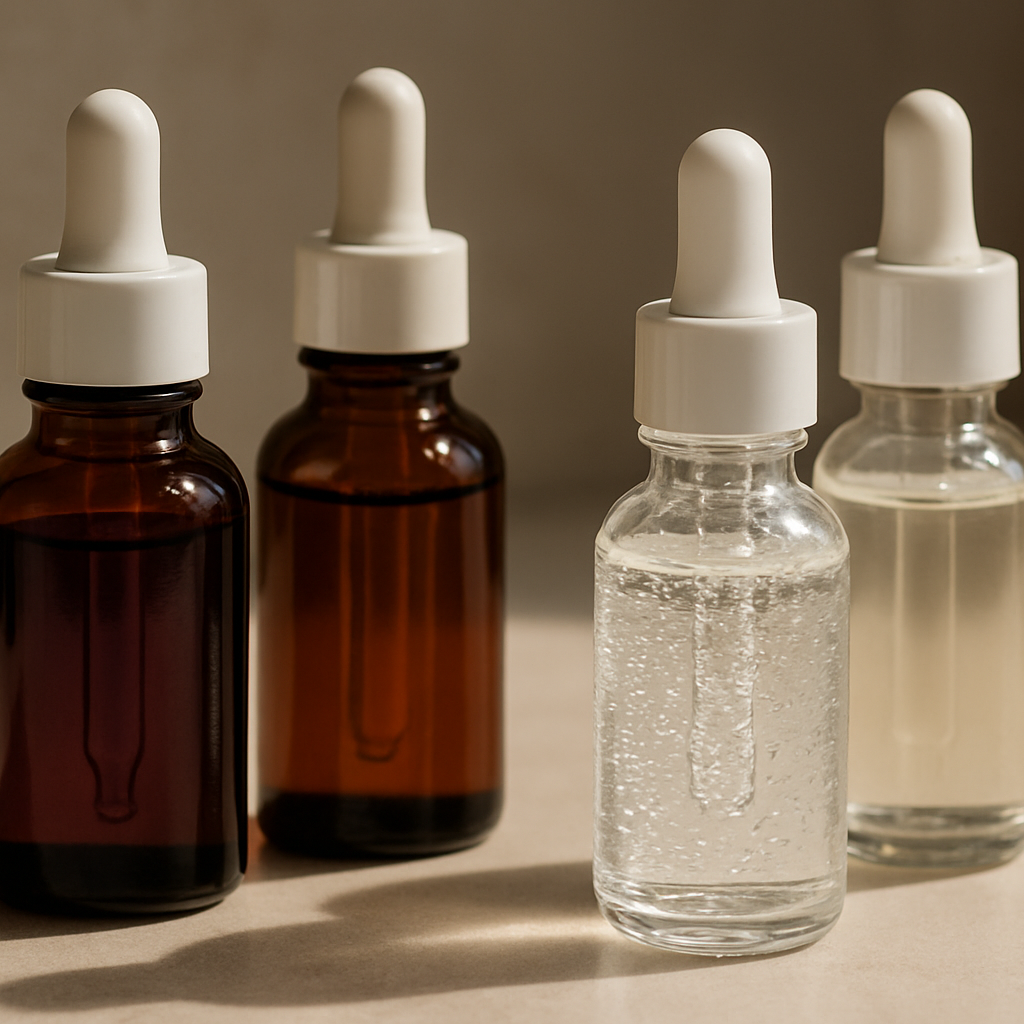
Contemporary overnight skin repair serums utilize liposomal encapsulation and nano-emulsion technologies to maximize active ingredient bioavailability. These sophisticated delivery mechanisms protect sensitive compounds from degradation while ensuring sustained release throughout the sleep cycle.
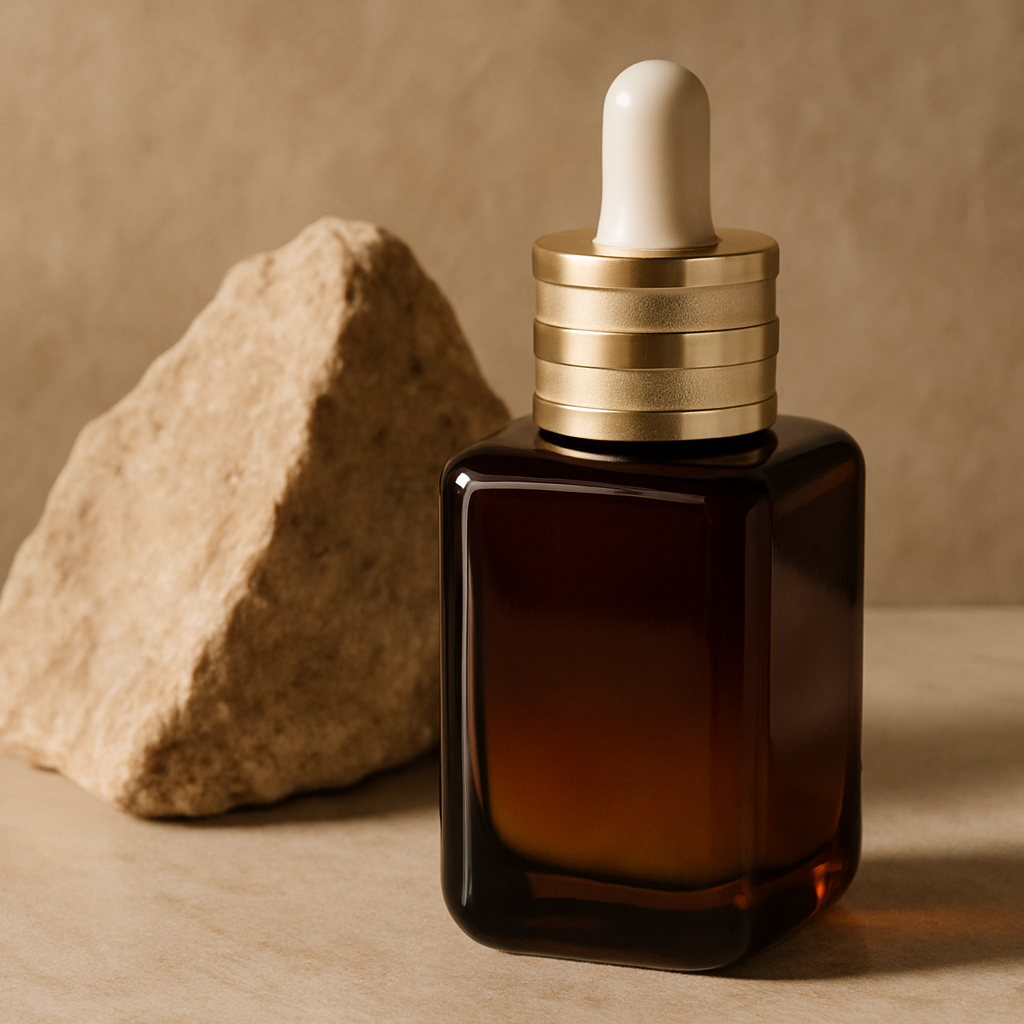
At The Blush Muse, we understand the critical importance of nighttime skincare regimens. The Estée Lauder Advanced Night Repair Serum exemplifies cutting-edge overnight restoration technology, combining potent antioxidants with hydrating hyaluronic acid complexes. This luxurious formulation harnesses the skin's natural nocturnal repair cycle, delivering visible improvements in texture, tone, and radiance. Its proprietary ChronoluxCB™ technology synchronizes with your skin's circadian rhythm, optimizing cellular renewal during peak repair hours.
Key Ingredients in Effective Overnight Serums
The formulation of premium overnight skin repair serums requires a delicate balance of active compounds that complement the skin's natural nocturnal processes. Retinoids remain the gold standard for overnight treatments, stimulating cellular turnover and collagen synthesis while minimizing photosensitivity concerns associated with daytime use.
Alpha Hydroxy Acids and Chemical Exfoliation
Glycolic and lactic acids facilitate gentle exfoliation during sleep, removing accumulated dead skin cells without the inflammatory response triggered by physical abrasion. These hydroxy acids also enhance the penetration of subsequent active ingredients, creating a synergistic effect that amplifies overall treatment efficacy.
Peptide Complexes and Growth Factors
Biomimetic peptides signal cellular repair mechanisms, instructing fibroblasts to increase collagen and elastin production. Copper peptides demonstrate particular efficacy in wound healing and tissue remodeling, making them invaluable components in advanced overnight formulations.
- Matrixyl peptides stimulate type I collagen synthesis
- Palmitoyl pentapeptides reduce inflammatory cytokines
- Acetyl hexapeptide-8 diminishes muscle contractions causing expression lines
- Copper tripeptides accelerate wound healing processes
Application Techniques for Maximum Efficacy
Proper application methodology significantly influences the therapeutic outcomes of overnight skin repair treatments. The skin's absorptive capacity varies across facial topography, requiring strategic layering techniques to optimize ingredient penetration and minimize potential irritation.
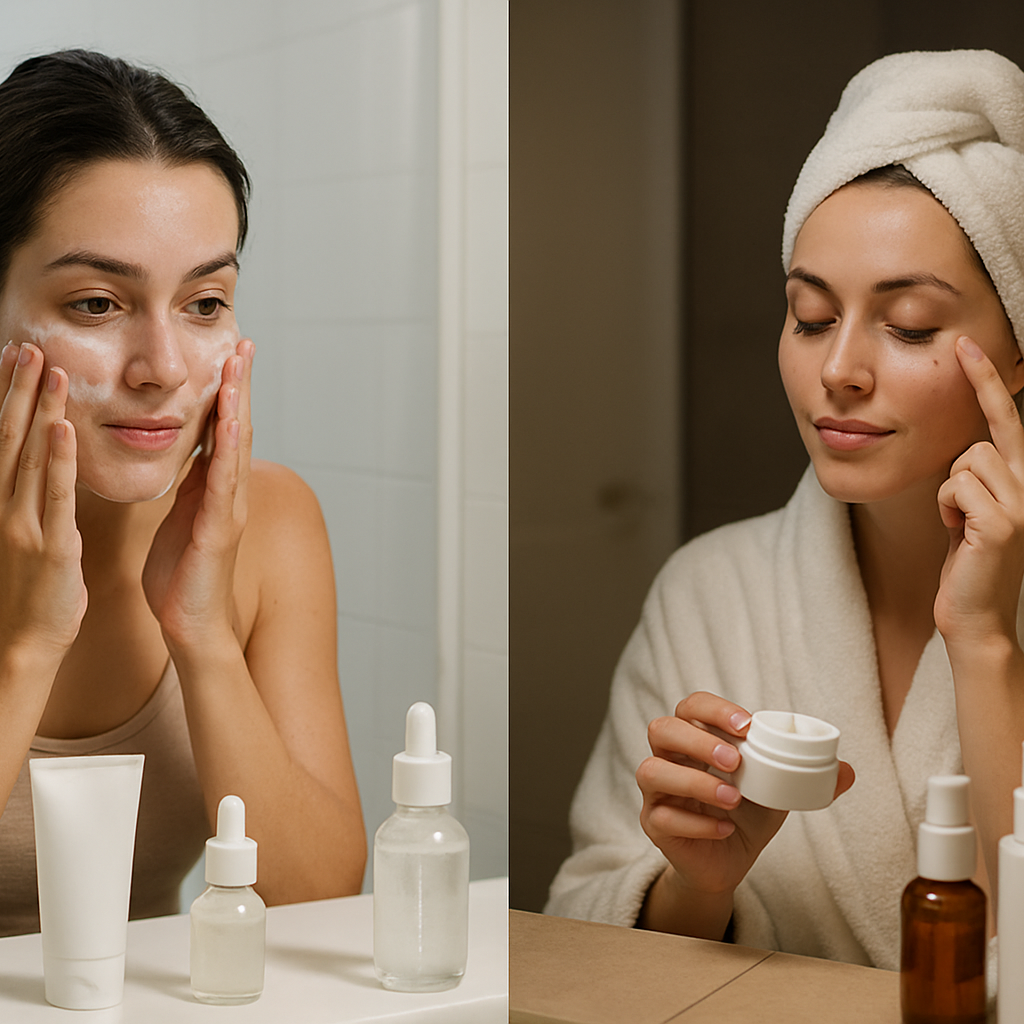
Begin with thoroughly cleansed skin, allowing complete drying before serum application. This preparation removes surface debris and excess sebum that could impede active ingredient absorption. Apply overnight skin repair serum using gentle upward strokes, following lymphatic drainage pathways to enhance circulation and product distribution.
| Application Step | Technique | Duration |
|---|---|---|
| Cleansing | Double cleanse with oil-based then water-based cleanser | 2-3 minutes |
| Toning | pH balancing with alcohol-free toner | 30 seconds |
| Serum Application | Gentle pressing motions, avoiding eye area | 1-2 minutes |
| Moisturizing | Occlusive layer to seal active ingredients | 1 minute |
Layering Compatibility
Understanding ingredient interactions prevents formulation conflicts that could neutralize active compounds. Water-based serums should precede oil-based treatments, following the thin-to-thick application principle. Allow adequate absorption time between layers to prevent pilling and ensure optimal penetration.
Expected Results and Timeline
Realistic expectations regarding overnight skin repair serum efficacy help establish appropriate treatment protocols and prevent premature discontinuation. Initial improvements typically manifest within two to four weeks of consistent use, beginning with enhanced hydration and subtle textural refinements.
Significant visible changes occur after six to eight weeks of dedicated nighttime treatment. Fine lines appear diminished, pore appearance refines, and overall skin luminosity increases. Long-term use extending beyond three months yields more dramatic improvements in skin firmness and elasticity.
Common Questions About Overnight Skin Repair
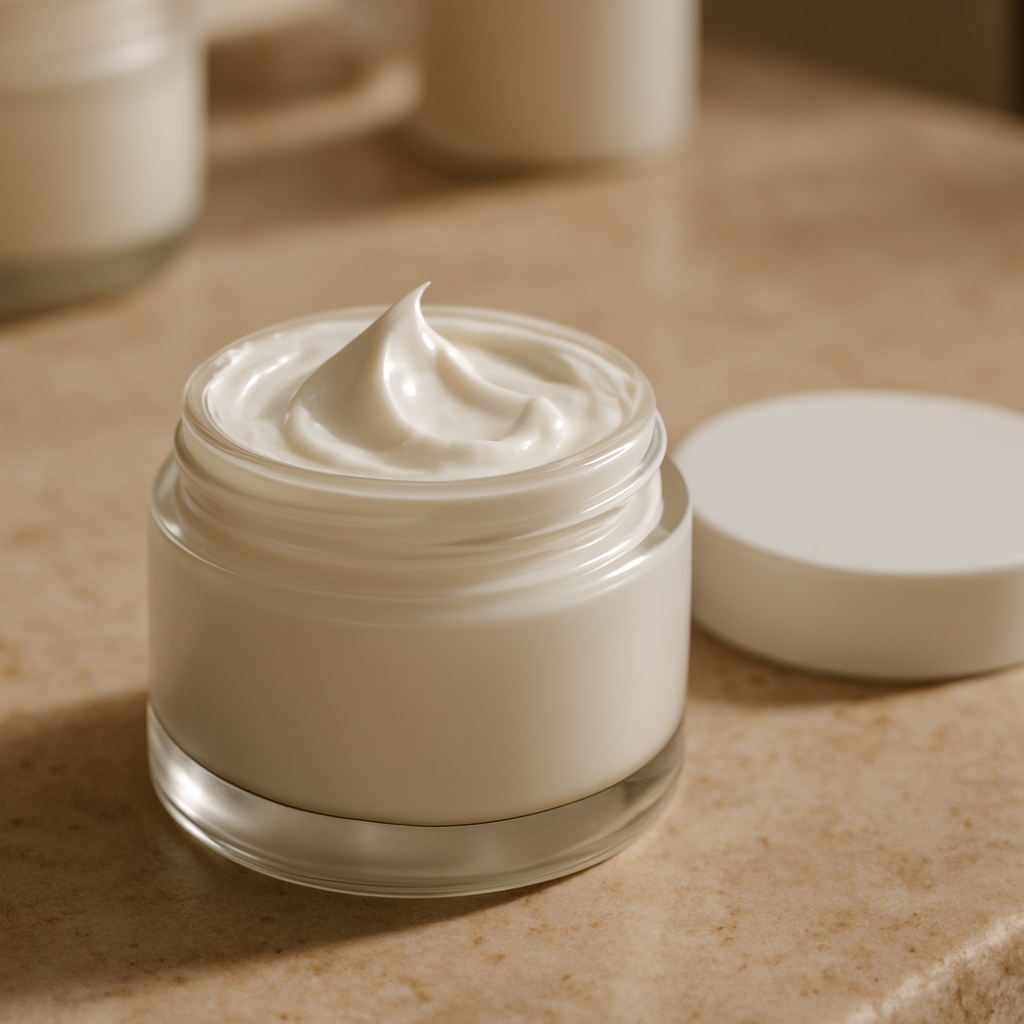
Can overnight serums replace regular moisturizers? While overnight skin repair serums provide intensive treatment, they typically require occlusive moisturizers to prevent transepidermal water loss and lock in active ingredients.
Are overnight treatments suitable for sensitive skin? Sensitive skin types benefit from gradual introduction protocols, beginning with every third night application before progressing to daily use. Patch testing remains essential for identifying potential adverse reactions.
The investment in quality overnight skin repair serums represents a commitment to long-term skin health and beauty. At The Blush Muse, we curate only the finest formulations that deliver measurable results while maintaining the luxury experience our discerning clientele expects.
Related post
30
Mar
