
RECENT POSTS


Peptide Serums for Wrinkle Reduction: Science-Backed Results
Understanding Peptides: The Molecular Architects of Youthful Skin
Peptides represent sophisticated molecular messengers that orchestrate cellular communication within the dermal matrix. These diminutive protein fragments, composed of amino acid sequences, function as bioactive signaling compounds that influence collagen synthesis and cellular regeneration processes. In the realm of skincare, peptides have emerged as potent anti-aging agents, particularly for their remarkable efficacy in wrinkle reduction.
The dermatological significance of peptides lies in their ability to penetrate the stratum corneum and stimulate fibroblast activity. When applied topically, these biomimetic compounds trigger the skin's natural repair mechanisms, promoting enhanced collagen production and improved skin architecture. This molecular intervention addresses the fundamental causes of wrinkle formation at the cellular level.
Types of Peptides in Skincare Formulations
Signal peptides constitute the primary category utilized in anti-aging formulations. These compounds communicate directly with skin cells, instructing them to increase collagen and elastin production. Carrier peptides, meanwhile, transport essential minerals like copper to facilitate enzymatic processes crucial for skin repair.
Neurotransmitter peptides offer another fascinating approach to wrinkle reduction. They temporarily inhibit muscle contractions that contribute to expression lines, providing a topical alternative to more invasive treatments. This mechanism targets dynamic wrinkles caused by repetitive facial movements.
The Science Behind Peptide Efficacy in Wrinkle Reduction
Clinical research substantiates the transformative potential of peptide serums in combating visible signs of aging. Studies demonstrate that consistent application of peptide-infused formulations can significantly improve skin texture, elasticity, and overall appearance within 4-12 weeks of regular use.
"Peptides work by fooling the skin into thinking it has lost collagen recently and needs to make more," explains leading dermatological research, highlighting the sophisticated biological mechanisms at play.
The molecular weight of peptides enables superior penetration compared to larger protein molecules. This enhanced bioavailability ensures that active compounds reach target cells within the dermis, where they can exert maximum therapeutic benefit. The result is measurable improvement in fine lines, skin firmness, and overall dermal architecture.
Clinical Evidence and Measurable Results
Peer-reviewed studies reveal compelling data regarding peptide serum efficacy. Research participants demonstrated average wrinkle depth reduction ranging from 15-45% after 12 weeks of consistent application. These quantifiable improvements extend beyond superficial enhancement to encompass genuine structural changes within the skin matrix.
Histological analysis reveals increased collagen density and improved elastic fiber organization following peptide treatment. These microscopic changes translate to visible improvements in skin smoothness, firmness, and radiance that can be objectively measured using advanced dermatological imaging techniques.
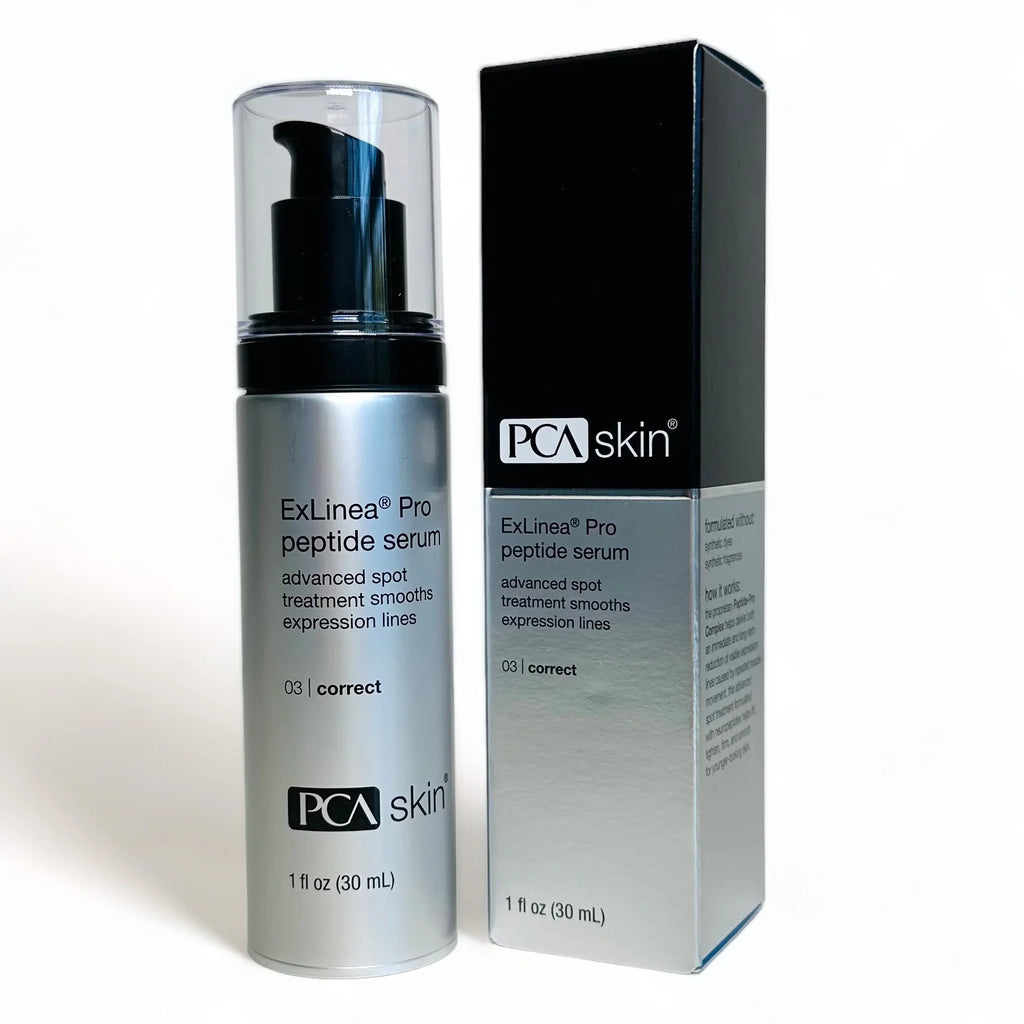
Spotlight: PCA Skin ExLinea Pro Peptide Smoothing Serum
The Blush Muse proudly features the exceptional PCA Skin ExLinea Pro Peptide Smoothing Serum, a scientifically formulated solution that exemplifies cutting-edge peptide technology. This luxurious serum combines multiple peptide complexes with complementary active ingredients to target various aspects of skin aging simultaneously.
Formulated with acetyl hexapeptide-8 and palmitoyl tripeptide-1, this serum addresses both expression lines and collagen degradation. The sophisticated formulation penetrates deeply to stimulate cellular renewal while providing immediate smoothing effects. Regular application helps restore skin's youthful resilience and diminishes the appearance of fine lines and wrinkles.
This professional-grade serum represents the pinnacle of peptide science, delivering clinical-level results in an elegant, easy-to-use formulation. Its lightweight texture absorbs rapidly, making it an ideal addition to both morning and evening skincare routines.
Maximizing Results: Application Techniques and Best Practices
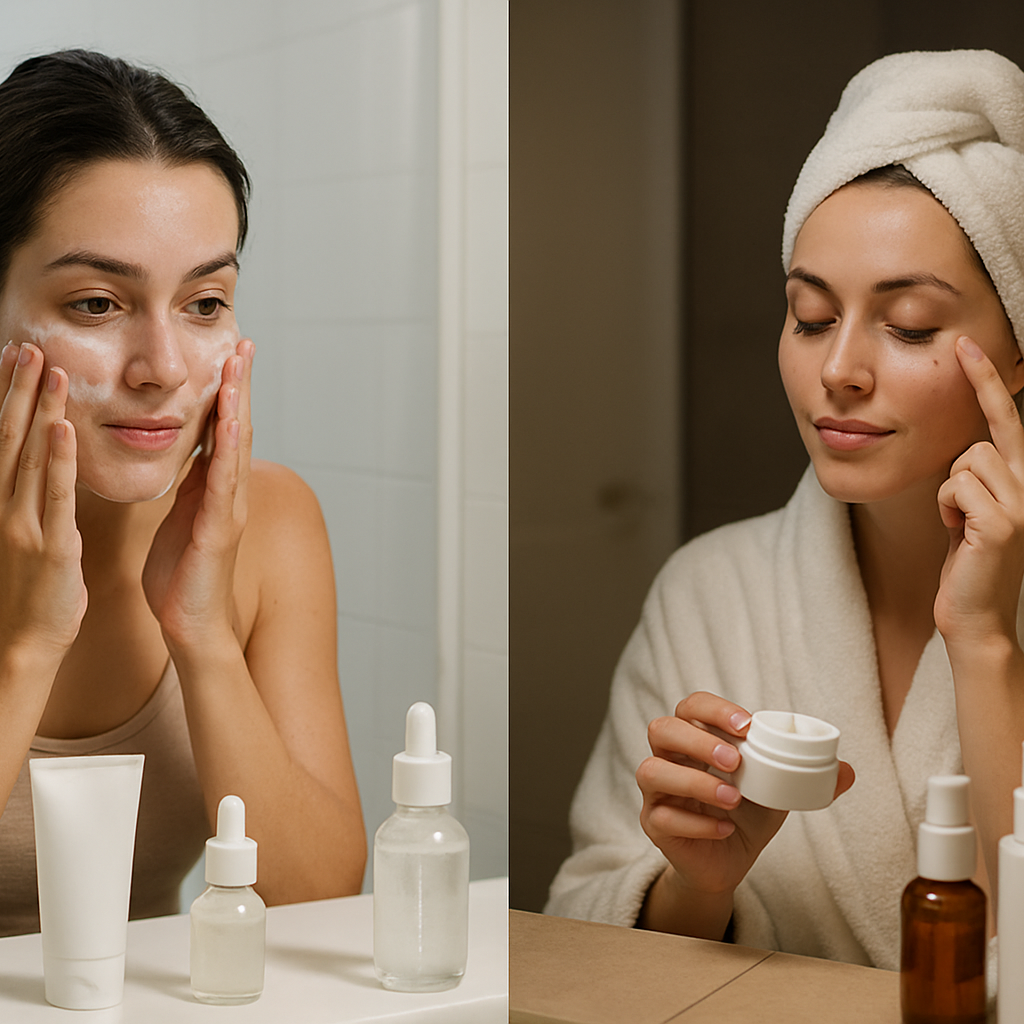
Optimal peptide serum efficacy requires strategic application methodology. Begin with thoroughly cleansed skin to ensure maximum penetration of active compounds. Apply the serum using gentle upward strokes, focusing on areas where fine lines and wrinkles are most prominent.
- Cleanse skin thoroughly before application
- Apply serum to slightly damp skin for enhanced absorption
- Use gentle patting motions around the delicate eye area
- Allow complete absorption before applying moisturizer
- Always follow with broad-spectrum SPF during morning routines
Consistency proves paramount in achieving optimal results. Daily application, preferably twice daily, maintains steady peptide levels within the skin matrix. This consistent delivery ensures continuous collagen stimulation and ongoing improvement in skin quality.
Layering and Ingredient Compatibility
Peptide serums demonstrate excellent compatibility with most skincare ingredients. However, certain considerations optimize their effectiveness. Avoid simultaneous application with strong acids or retinoids, as these can potentially degrade peptide structures.
For maximum benefit, layer peptide serum after lighter treatments but before heavier moisturizers. This positioning allows peptides to penetrate effectively while subsequent products lock in hydration and create protective barriers.
Expected Timeline and Realistic Outcomes
Understanding realistic expectations enhances satisfaction with peptide serum results. Initial improvements often become apparent within 2-3 weeks, manifesting as enhanced skin smoothness and subtle plumping effects. More dramatic changes in wrinkle depth and overall skin architecture typically develop over 6-12 weeks of consistent use.
| Timeframe | Expected Results |
|---|---|
| 2-3 weeks | Improved skin texture and hydration |
| 4-6 weeks | Visible reduction in fine lines |
| 8-12 weeks | Significant improvement in skin firmness and wrinkle depth |
Individual results vary based on factors including age, skin condition, lifestyle habits, and genetic predisposition. However, clinical data consistently demonstrates meaningful improvement across diverse demographic groups when peptide serums are used as directed.
Frequently Asked Questions About Peptide Serum Efficacy
Can peptide serums replace professional treatments?
While peptide serums provide substantial anti-aging benefits, they complement rather than replace professional treatments. These serums excel at maintenance and prevention while enhancing results from clinical procedures. The combination approach often yields superior outcomes compared to either modality alone.
Are peptide serums suitable for sensitive skin?
Most peptide formulations demonstrate excellent tolerability across various skin types, including sensitive complexions. Their biomimetic nature minimizes irritation potential while delivering therapeutic benefits. However, patch testing remains advisable for individuals with known sensitivities.
The gentle mechanism of action makes peptide serums particularly suitable for those who cannot tolerate stronger anti-aging ingredients. This accessibility broadens their appeal across diverse skin types and age groups.
How do peptide serums compare to retinoids for wrinkle reduction?
Peptide serums and retinoids employ different mechanisms to address aging concerns. While retinoids accelerate cellular turnover and can cause initial irritation, peptides work gradually by stimulating natural collagen production. Many skincare enthusiasts successfully incorporate both ingredients into their routines, alternating application to maximize benefits while minimizing sensitivity.
The choice between these ingredients often depends on individual skin tolerance, lifestyle factors, and specific aging concerns. Peptide serums offer gentler intervention with cumulative benefits, while retinoids provide more aggressive cellular renewal.
Related post
30
Mar
